


20 Jun Stone Masonry: The Timeless Craft That Builds to Last for Centuries
There is something almost magical about a wall built by hand, stone upon stone, that has stood firm for centuries while everything around it crumbled. That is the quiet power of stone masonry, an ancient craft that refuses to fade into history. Whether you are restoring a heritage cottage or dreaming up a modern stone feature wall, understanding this trade can transform the way you think about building.
What is stone masonry?
Stone masonry is the craft of building structures by stacking and bonding natural or dressed stones, usually with mortar. It is used for walls, foundations, arches, and decorative features. Valued for its durability, strength, and timeless beauty, it remains one of the oldest construction methods still practiced today.
Why Stone Masonry Still Matters Today
In a world obsessed with speed and prefabrication, stone feels refreshingly honest. It does not pretend to be anything other than what it is. And that authenticity comes with serious performance benefits.
Stone structures resist fire, weather, and pests in ways that modern materials often cannot match. They age gracefully, developing character rather than wear. Many of the buildings we admire most have one thing in common: stone at their core.
- Longevity: Properly built stone walls can last hundreds of years.
- Low maintenance: No painting, minimal repairs, little fuss.
- Thermal mass: Stone keeps interiors cooler in summer and warmer in winter.
- Aesthetic value: Each stone is unique, giving every project a one of a kind look.
The Main Types of Stone Masonry
Not all stonework is created equal. The technique you choose depends on the look you want, your budget, and the type of stone available. Broadly, the craft splits into two big families.
Rubble Masonry
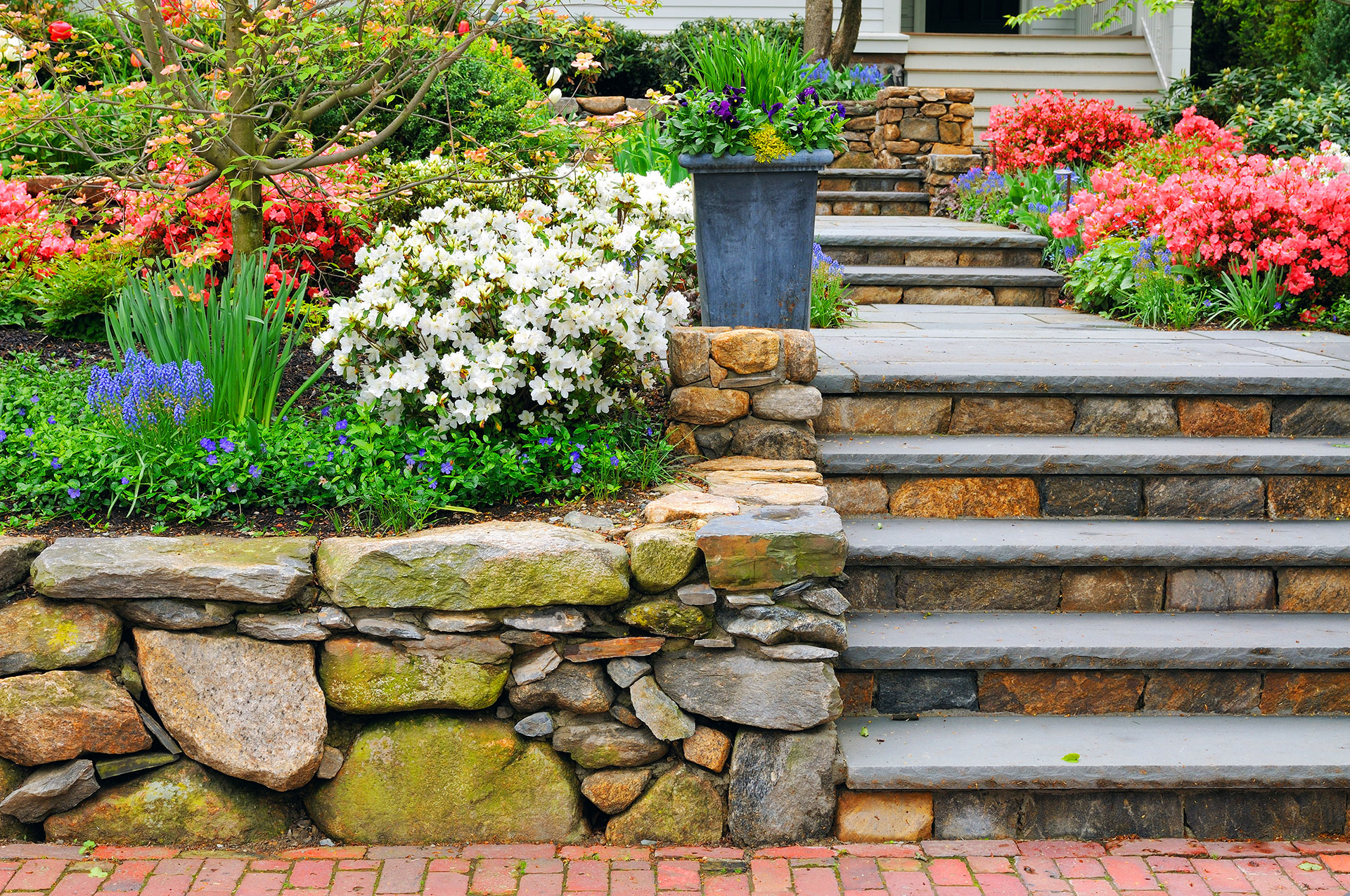
This uses stones in their rough, irregular form, more or less as they come from the quarry. It is faster and cheaper, giving a rustic, organic appearance. You will often see it in garden walls and traditional countryside buildings.
Ashlar Masonry
Here the stones are carefully cut and dressed into precise, uniform blocks. The result is clean joints, sharp lines, and a polished, refined finish. Ashlar is the more expensive and skilled approach, reserved for grand facades and statement pieces.
Common Stones Used in the Craft
The stone itself shapes the final result, both visually and structurally. Each type brings its own personality to a project.
- Granite: Extremely hard and durable, ideal for load bearing and high traffic areas.
- Limestone: Easy to carve and warm in tone, a favorite for facades.
- Sandstone: Versatile and widely used, available in earthy color ranges.
- Slate: Naturally layered, perfect for roofing and flooring details.
- Marble: Luxurious and elegant, often used for decorative accents.
The Skills Behind Quality Stonework
Anyone can pile rocks together. Building something that lasts is another story entirely. A true mason reads each stone, understanding how it will sit, bear weight, and lock with its neighbors.
Mortar selection matters more than most people realize. The wrong mix can trap moisture and cause damage over decades. Skilled craftsmanship is what separates a wall that survives generations from one that fails within years.
Patience
Good stonework cannot be rushed. Each stone is placed with intention.
Precision
Tight joints and proper bonding keep structures strong and stable.
Experience
Years of practice teach a mason how stone truly behaves.
Protecting Your Stone Masonry Investment
Stone is tough, but it is not invincible. Water infiltration, freeze thaw cycles, and crumbling mortar joints can slowly undermine even the finest work. The good news is that thoughtful care keeps these issues at bay.
Regular inspections, gentle cleaning, and timely repointing go a long way. If you want a deeper dive into preserving the value of your project, this guide on long-lasting masonry breaks down practical strategies that help your stonework stand the test of time.
Stone Masonry in Modern Design
Contemporary architects have rediscovered stone in a big way. It pairs beautifully with glass, steel, and timber, bridging the gap between old world charm and sleek modern minimalism.
From feature fireplaces to dramatic entrance walls, stone adds texture and gravity to spaces that might otherwise feel flat. It is proof that a centuries old craft still has plenty to say in modern living.
Frequently Asked Questions
How long does stone masonry last?
With proper construction and maintenance, stone masonry can last well over a hundred years. Many historic stone buildings have endured for several centuries, which is why it is considered one of the most durable building methods available.
Is stone masonry expensive?
It tends to cost more upfront than brick or concrete due to material and skilled labor requirements. However, its longevity and low maintenance often make it more economical over the long run.
What is the difference between stone masonry and brick masonry?
Stone masonry uses natural stone in varied shapes and sizes, while brick masonry uses uniform, manufactured units. Stone offers a more organic look and greater durability, whereas brick is more consistent and often quicker to install.
Can stone masonry be repaired?
Yes. Repointing damaged mortar joints, replacing cracked stones, and cleaning surfaces are common repairs. Working with an experienced mason ensures repairs blend seamlessly and protect the structure for years to come.
Does stone masonry need waterproofing?
While stone is naturally water resistant, the mortar joints can absorb moisture. Appropriate mortar selection and occasional sealing in exposed areas help prevent water damage and extend the life of the structure.
Final Thoughts
Stone masonry is far more than a building technique. It is a conversation between human skill and natural material, one that has echoed across thousands of years. From rubble walls to refined ashlar facades, the craft blends strength, beauty, and remarkable longevity.
Whether you are preserving an old structure or starting something new, investing in quality stonework and ongoing care pays off for generations. Choose good stone, hire skilled hands, and your project will quite literally stand the test of time.
Sorry, the comment form is closed at this time.