


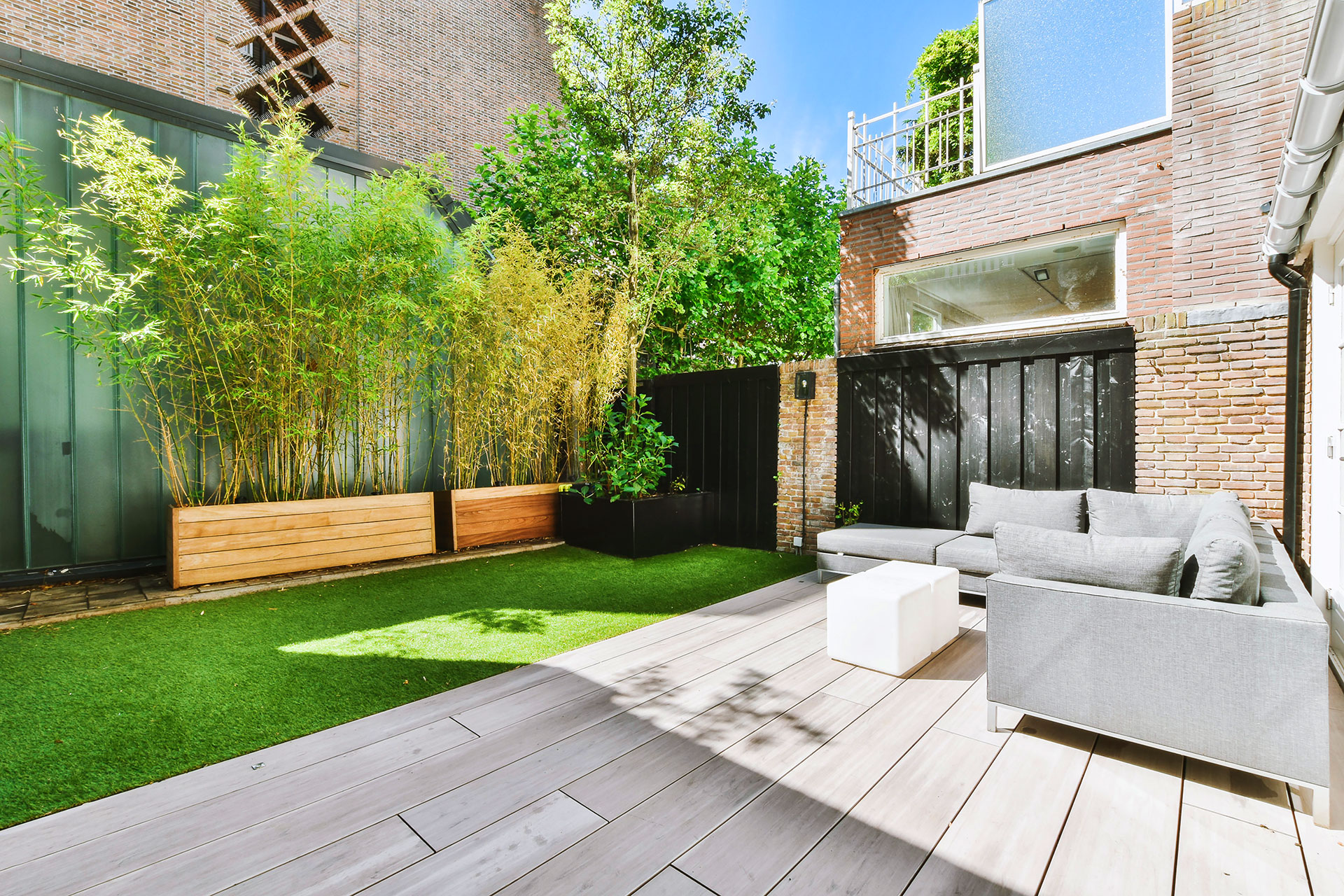
20 Jul Small Patio, Big Style: Design Ideas That Make Every Inch Count
Small outdoor spaces get a bad reputation they don’t deserve. A cramped balcony or a narrow backyard sliver can feel like a design dead end, but the truth is that limited square footage often forces smarter, more creative choices than sprawling yards ever do. With the right layout, materials, and a few clever tricks, even a tiny patio can become the most-used spot in your home.
How do you design a small patio?
To design a small patio, start by defining one main purpose like dining or lounging, then choose multi-functional furniture that scales to the space. Use vertical elements such as wall planters and trellises to add greenery without eating floor space, stick to a cohesive color palette, and add layered lighting to extend usability into the evening.
Start With a Clear Purpose
Before you buy a single chair, decide what your patio is actually for. Trying to cram in a dining set, a lounge area, and a fire pit into 80 square feet is a recipe for clutter. Pick one primary function and let everything else support it.
- Morning coffee nook: two chairs and a small side table
- Dinner spot: a compact bistro table that seats two to four
- Reading retreat: a single oversized chair with a footrest and lamp
Once the purpose is locked in, every design decision becomes easier because you’re no longer trying to please every use case at once.
Choose Furniture That Works Overtime
In small spaces, every piece of furniture should earn its spot by doing more than one job. A storage bench can seat guests and hide cushions or gardening tools. A folding bistro set can disappear against a wall when not in use.
Round tables also tend to feel less bulky than square ones in tight corners, since there are no sharp edges eating into walking paths. Look for furniture with slim profiles and legs rather than solid bases, since visual “breathing room” underneath makes the whole area feel more open.
Play With Vertical Space
When floor space is limited, the walls and railings become prime real estate. Vertical gardens, hanging planters, and wall-mounted shelving let you add greenery, storage, and personality without sacrificing an inch of walkable space.
- Install a trellis with climbing vines like jasmine or clematis for a living privacy screen
- Use tiered plant stands to group pots without spreading them across the ground
- Add a slim wall-mounted bar cart or shelf for drinks and candles
Ground It With the Right Materials
Flooring and hardscaping choices dramatically affect how big or small a patio feels. Large-format pavers, for example, create fewer grout lines than small tiles, which tricks the eye into perceiving more open space. Natural stone remains a favorite for good reason: it ages beautifully, handles weather extremes, and adds a texture that outdoor rugs and furniture simply can’t replicate.
If you’re considering a stone accent wall, raised planter border, or a durable stone floor base, it’s worth understanding the craftsmanship behind it. The techniques used in stone masonry have been refined for generations, and that same attention to detail can turn a modest patio into a space that looks custom-built rather than store-bought.
Stick to a Cohesive Color Palette
Too many colors and patterns fight for attention in a small area, making it feel busy and chaotic. Instead, choose two or three colors and repeat them across cushions, planters, and decor.
Terracotta, sand, cream
Soft blue, white, driftwood
Deep green, charcoal, bone
A limited palette makes even mismatched furniture pieces feel intentional and pulled together.
Layer the Lighting
Good lighting is the difference between a patio that shuts down at sunset and one that becomes an evening destination. Rely on at least three light sources rather than one overhead fixture.
- Ambient: string lights strung along a railing or pergola
- Task: a small lamp or lantern near the seating area
- Accent: solar stake lights tucked into planters
Warm-toned bulbs, rather than cool white, tend to feel more inviting and residential rather than institutional.
Use Mirrors and Reflective Surfaces
An outdoor-rated mirror mounted on a fence or wall can visually double the depth of a small patio. It reflects greenery and light, making the space feel less enclosed. Glossy planters or metallic accents can achieve a similar, subtler effect if a full mirror feels like too much.
Define Zones Without Walls
Even in a small footprint, you can create the illusion of separate zones. A different rug texture, a low planter divider, or a change in flooring pattern can signal “this is the lounge area” versus “this is the walkway” without adding a single wall.
This zoning trick works especially well on patios that double as a walkway to a garden or driveway, keeping traffic flow intuitive while still carving out a cozy sitting spot.
Final Thoughts
Designing a small patio isn’t about fitting more into less space, it’s about being intentional with every square foot you have. Start with a clear purpose, choose furniture that multitasks, and lean into vertical space and quality materials to make the area feel grounded and permanent. Layer in cohesive color, smart lighting, and a few visual tricks like mirrors, and that small patio can easily become the most inviting corner of your entire property.
Frequently Asked Questions
What is the ideal size for a small patio?
There’s no strict minimum, but most functional small patios range from 80 to 150 square feet, enough room for a compact seating or dining set plus walking clearance.
What furniture works best for tiny patios?
Foldable, stackable, or multi-purpose furniture works best. Look for slim-profile chairs, round tables, and storage benches that reduce visual bulk while maximizing use.
How can I make my small patio look bigger?
Use large-format flooring materials, a limited color palette, vertical greenery, and strategically placed mirrors to create depth and reduce visual clutter.
Do I need permission to build or upgrade a small patio?
It depends on your local regulations and whether structural changes like raised platforms or permanent stonework are involved. Always check with your municipality before starting major hardscaping projects.
What plants work well on a small patio?
Compact and vertical-growing plants like herbs, dwarf citrus trees, ferns, and climbing vines are ideal since they add greenery without consuming valuable floor space.
Sorry, the comment form is closed at this time.